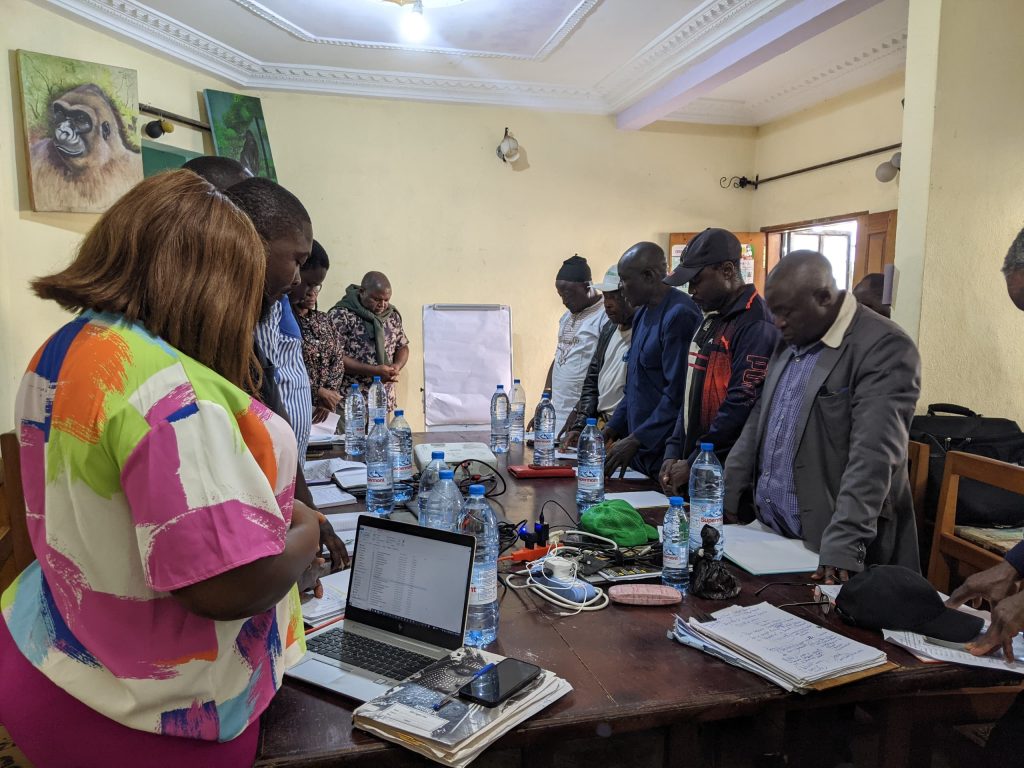
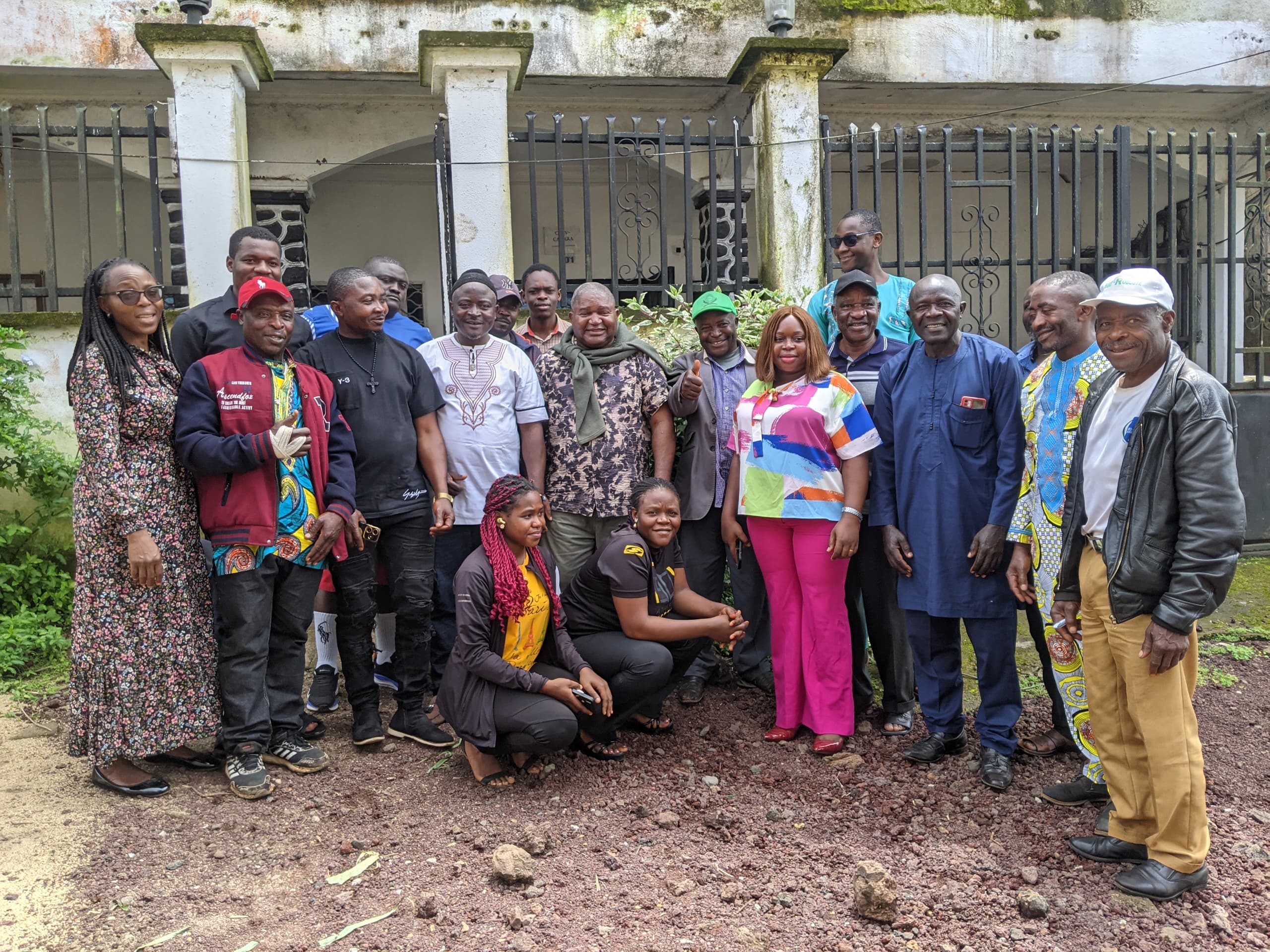
ERuDeF, in collaboration with the community leaders of Menoua communities, convened for a two-day session on the Menoua Watershed Restoration project. The meeting took place from the 15th to the 16th of October 2024 at the ERuDeF headquarters in Buea.
At the heart of the Menoua Watershed Restoration project is ERuDeF, who plays the pivotal role of the facilitator. ERuDeF is providing both the financial and technical resources required for the project. Their role includes sourcing funding, primarily from external partners like ECOSIA, a German-based search engine involved in the planting of trees. This highlights the crucial role of international organizations in funding restoration projects, ensuring they move beyond mere conceptualization into concrete actions.
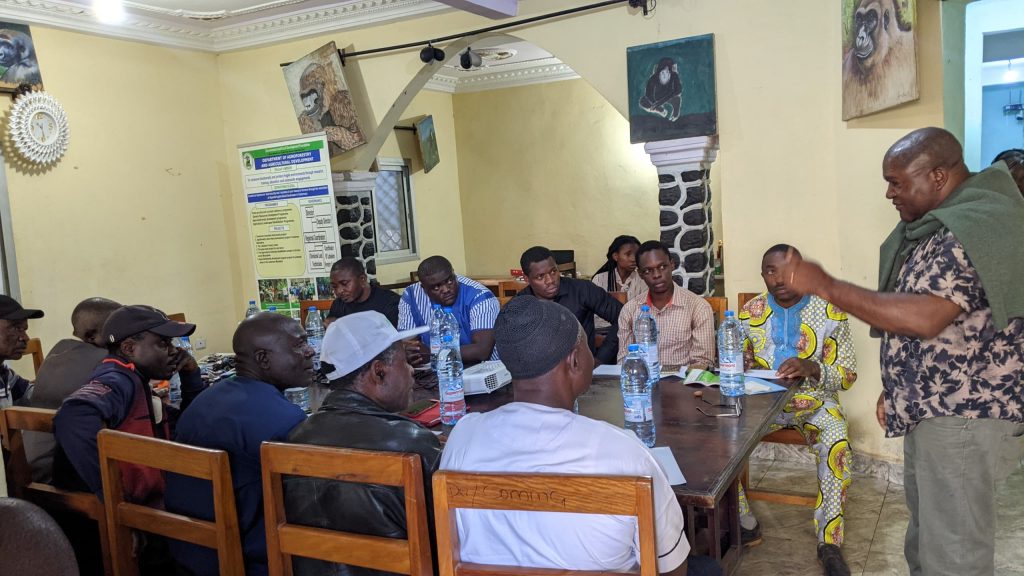
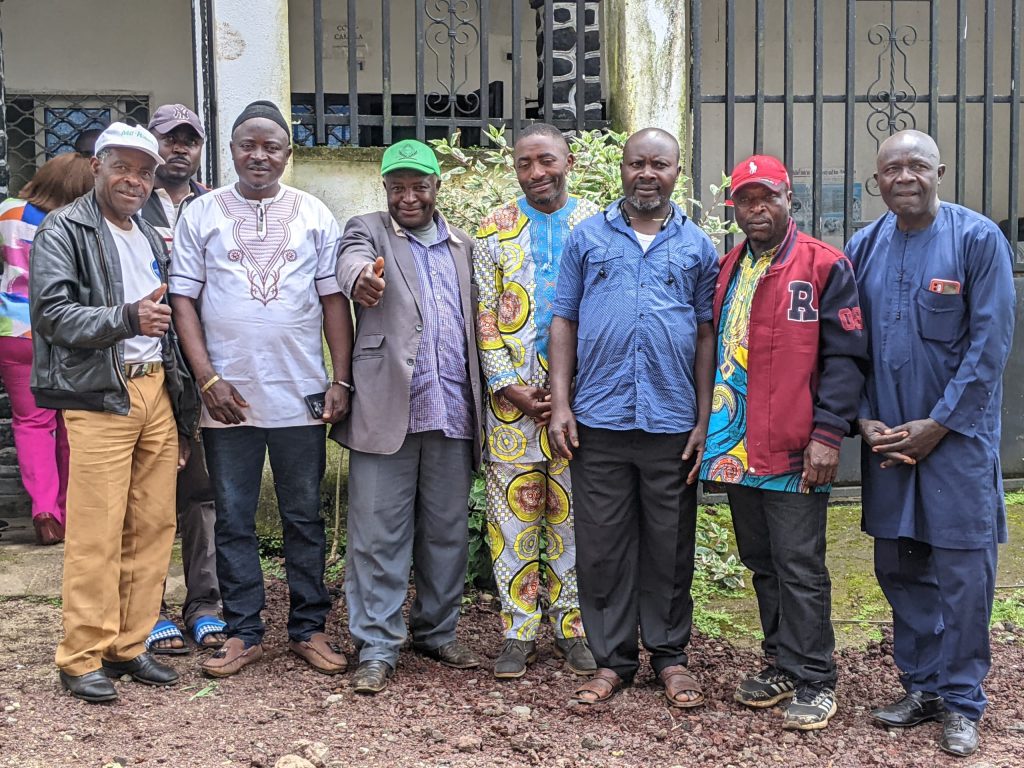
Community Ownership and Stakeholder Engagement
ERuDeF’s facilitation also extends to the provision of seeds and technical support to local stakeholders, ensuring that the project runs smoothly on the ground.
Watersheds are strategic towards the restoration of degraded landscapes. ERuDeF reiterated the sense of ownership of the project to the communities, expecting that this information would be vehemently conveyed to the entire community to foster their hope and participation as the proprietors of the project.
Despite ERuDeF’s central role, the organization made it clear that the ultimate beneficiaries of the Menoua Watershed Restoration project are the local communities who depend on the watershed for their livelihoods. These communities, represented by local chiefs, nursery owners, and community members, are viewed as the long-term “owners” of the project. In the discussions, it was emphasized that the success of the project hinges on the participation and collaboration of these local stakeholders, who are integral to maintaining the restored watershed and ensuring the sustainability of the reforestation and agroforestry initiatives.
Challenges and Multi-Stakeholder Involvement
The project faces challenges concerning land ownership, as some landowners have resisted the project out of fear of losing control over their property. This has led to delicate negotiations, particularly through the involvement of local chiefs who act as intermediaries between the project facilitators and landowners. These local authorities help navigate the complex socio-cultural dynamics of land ownership, ensuring that landowners understand the long-term benefits of participating in the restoration efforts. The role of the chiefs thus underscores another layer of “ownership” within the project, as they protect the interests of their communities while promoting environmental restoration.
Another notable layer of ownership comes from scientific institutions, such as the University of Dschang, which contributes research expertise, particularly in assessing the impact of agroforestry practices. Additionally, the participation of organizations like GIZ, the Rainforest Alliance, and CASUDER reflects the multi-stakeholder nature of the project, with each organization bringing specialized knowledge and resources to bear on the restoration efforts.